The dramatic version of Step Five gets all the airtime. The maintenance version is quieter, smaller, and the reason any of this lasts. A reflection on May 6's "Hold Back Nothing."
Posts tagged "Stimulants"
Recovery Stories & Resources
Inspiring journeys, practical tips, and support for your recovery
0
Stories
0
Categories
0
Contributors
0
Comments

I Don't Have a Vault Anymore

I Wasn't Ready to Quit. I Was Just Out of Lies.
A single piece of paper brought down a decade of careful lies — the hiding spots, the morning promises, the nightly reverse-engineering. That's the morning the obsession finally lifted. Today's reflection on surrender, willingness, and the strange mercy of running out of options.

A.A. Alone Got Me Sober. It Also Got Me Drunk Again.
The first time I tried to get sober, I had a few months, no sponsor, and a quiet belief that showing up for a meeting now and then was all I'd ever need. A reflection on why A.A. isn't a cure-all — and what it actually takes when you stop trying to do it on the cheap.
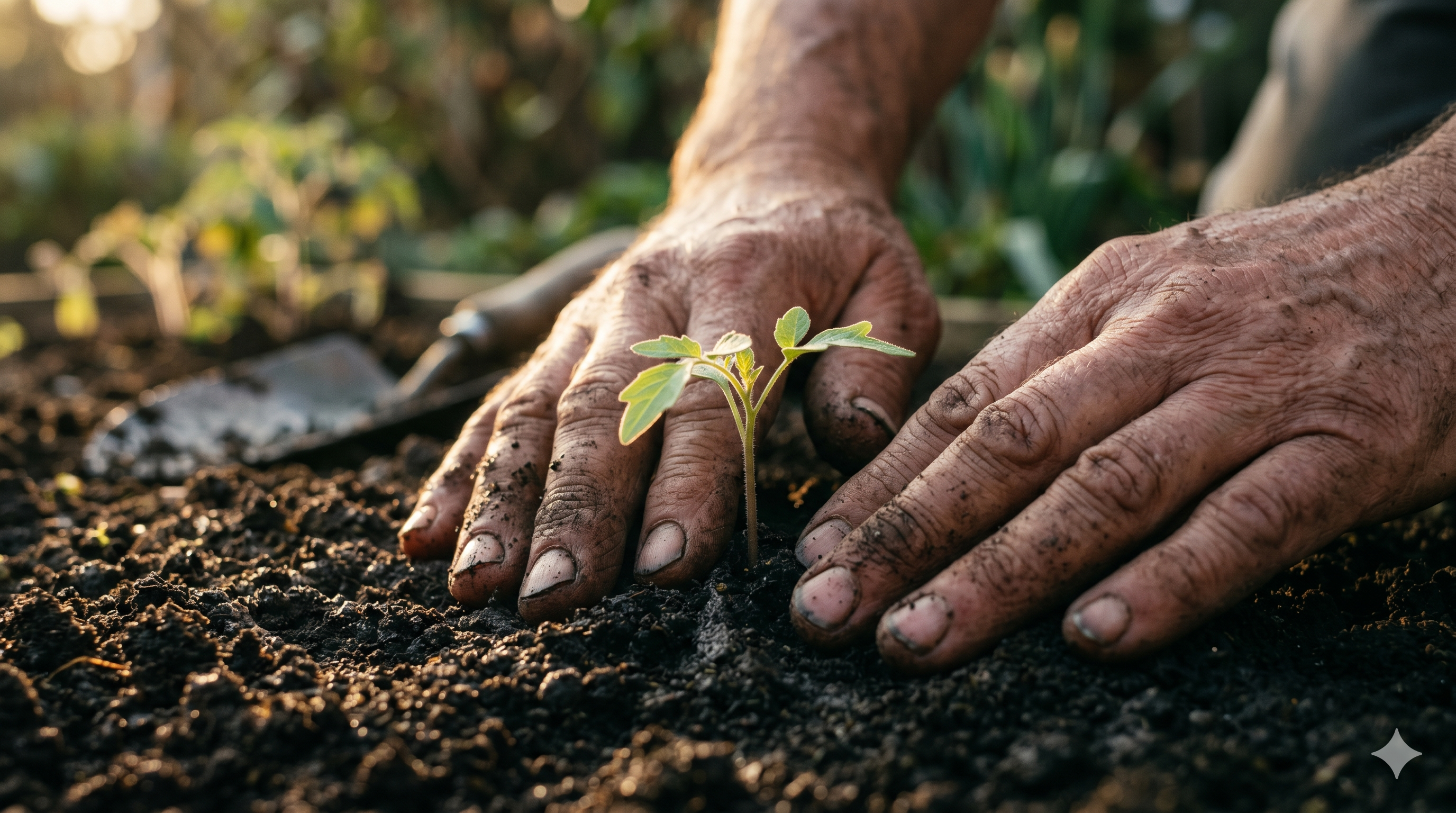
Faith Didn't Come With the Lightning Bolt I Was Waiting For
I was on the worship team. I prayed. I did my devotions. I thought I had faith. Sobriety showed me I'd had the language of faith for years but never actually needed it — until it was the only thing left.

People Pleasers Don't Blame. Until They Do.
I didn't think I had a problem with blame. I was the guy who said yes to everything and showed up for everyone. It took a Fourth Step inventory to show me that all that people pleasing was just scorekeeping with a smile — and the tab was longer than I ever imagined.

How I Found My Way Back: The Power of Quiet Time and Meditation in Recovery
At rock bottom, meditation felt impossible—but it became the key to lasting recovery. Backed by science, mindfulness reduces cravings, heals trauma, and rewires the brain. Start small, stay consistent, and let stillness become your path to peace.

Family Matters: How Addiction Impacts Loved Ones — And How We Begin to Heal
Addiction isolates everyone it touches. Recovery rebuilds trust through small, consistent actions—honesty, boundaries, and emotional safety. Healing comes not from big apologies but steady proof that change is real.
The Gratitude Habit That Transforms Every Moment
Gratitude isn’t just a recovery tool—it’s a daily anchor for anxiety, grief, and stress. By pausing to notice small blessings, you train your mind toward peace, resilience, and lasting joy, even in hard times.

Embrace the Tiny Ripples: Why Small Daily Discomforts Fuel Your Recovery and Growth
Comfort feels good but stunts growth. Embrace small daily challenges—cold showers, tough talks, quiet moments—to build resilience, gratitude, and strength in recovery and life.

When Your Heart Skips a Beat: Understanding and Managing Triggers Anytime, Anywhere
Emotional triggers can hijack calm in seconds. Learn to spot their timeline, manage the reaction, and transform cravings or stress into growth using mindful breathing, grounding, and daily reflection.

Just Say “Thank You”: The Radical Art of Receiving in Recovery
Learning to accept kindness without apology can heal shame, deepen connection, and rebuild self-worth. In recovery and life, saying “thank you” becomes an act of courage — proof you are worthy of love and support.

Stop Standing in the Lobby: How Surrender Unlocks the Main Event of Recovery
Lasting recovery begins with surrender — not willpower. Letting go of pride, admitting powerlessness, and asking for help transforms relapse risk into real change. True freedom starts when you stop controlling and start participating.
Page 1 of 4
Next →